
The Pros and Cons of Second-Hand Baby Gear
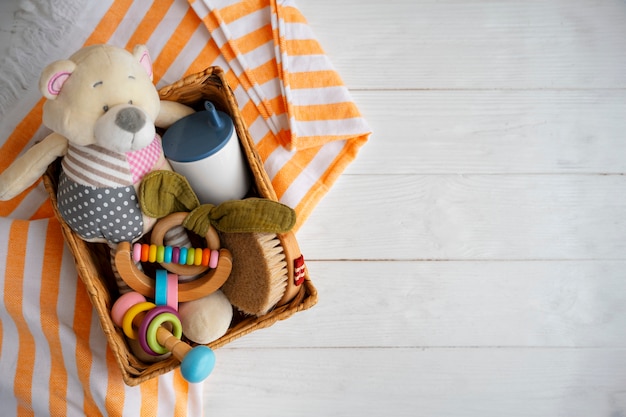
As parents embark on the exciting journey of welcoming a new child, the myriad choices of baby gear can feel overwhelming. One increasingly popular option is second-hand baby gear. While purchasing used items can offer substantial savings, it also comes with its own set of considerations. Understanding the pros and cons of used gear is essential for making informed decisions that prioritize both safety and budget. Here’s a closer look at the benefits and drawbacks of second-hand baby gear to help you navigate this option wisely.
Pros of Second-Hand Baby Gear
1. Cost Savings
One of the most significant advantages of opting for used baby gear is the substantial cost savings. Baby products can be expensive, and many items are only used for a short time. Purchasing second-hand allows parents to acquire high-quality products at a fraction of the retail price. This affordability enables families to allocate funds to other essential areas, such as childcare, education, or fun family outings.
2. Environmental Benefits
Choosing second-hand gear is an eco-friendly decision that contributes to reducing waste. By opting for second-hand baby gear, parents play a role in the circular economy, helping to keep functional items out of landfills. This sustainable choice not only benefits the environment but also sets a positive example for children about the importance of reusing and recycling.
3. Unique Finds
The world of second-hand shopping offers a treasure trove of unique and vintage items that are often no longer available in stores. From charming cribs to one-of-a-kind baby clothing, parents can discover pieces with character and history. This element of surprise can make outfitting a nursery or playroom a more personal and enjoyable experience.
4. Quality Products
Many parents choose to sell their baby gear after only a few months of use, which means you can often find items in excellent condition. High-quality brands, known for their durability, may have been used lightly and can still have plenty of life left in them. This allows you to snag premium products without paying full price, making it a savvy choice for budget-conscious families.
Cons of Second-Hand Baby Gear
1. Safety Concerns
One of the primary used baby gear considerations is safety. Certain items, such as cribs and car seats, have specific safety standards that evolve over time. Older models may not meet current regulations, potentially posing a risk to your child. It’s crucial to research the item’s history, check for recalls, and ensure it complies with the latest safety guidelines before making a purchase.
2. Limited Warranty and Return Policies
When purchasing second-hand baby gear, most items come without a warranty. If the gear malfunctions or has hidden defects, there’s little recourse for the buyer. Additionally, many second-hand stores or online platforms have limited return policies, making it essential to thoroughly inspect items before finalizing the purchase.
3. Wear and Tear
Used items may show signs of wear and tear, which could affect their functionality and appearance. While some wear can be expected and easily overlooked, others may indicate that the item is nearing the end of its usable life. It’s vital to carefully examine each piece for any structural issues, stains, or damage that could affect safety or comfort.
4. Time-Consuming
Shopping for second-hand baby gear can be a time-consuming endeavor. Unlike the convenience of one-stop shopping for new items, scouring thrift stores, garage sales, or online marketplaces may require patience and persistence. The search for specific items can sometimes be frustrating, particularly if you have a tight timeline or specific preferences in mind.
Tips for Buying Second-Hand Baby Gear
If you decide that purchasing second-hand gear is the right choice for you, here are a few tips to ensure a safe and satisfying shopping experience:
- Research First: Familiarize yourself with the latest safety standards and recall lists for baby products. Knowing what to look for will help you make informed decisions.
- Inspect Thoroughly: When purchasing in-person, examine items closely for any signs of damage or excessive wear. Check for expiration dates on car seats and make sure they haven’t been involved in any accidents.
- Ask Questions: Don’t hesitate to ask the seller about the item’s history, including how long it was used and if it has been in any accidents. Understanding its background can give you peace of mind.
- Prioritize Key Items: While many items can be purchased used, prioritize crucial safety gear like car seats and cribs. These items should ideally be new or carefully vetted to ensure they meet safety standards.
- Consider Hygiene: Cleanliness is paramount when it comes to baby gear. Ensure that any used items, especially soft goods like clothing and bedding, can be washed or sanitized before use.
Conclusion
Purchasing second-hand baby gear offers both significant benefits and potential drawbacks. By understanding the pros and cons of used gear, parents can make informed choices that suit their lifestyles and values. Whether it’s the allure of cost savings, the joy of unique finds, or the environmental benefits that appeal to you, second-hand gear can be a wise choice when approached with care and consideration. With the right research and vigilance, it’s possible to find excellent items that will serve your family well throughout the early years of parenthood.